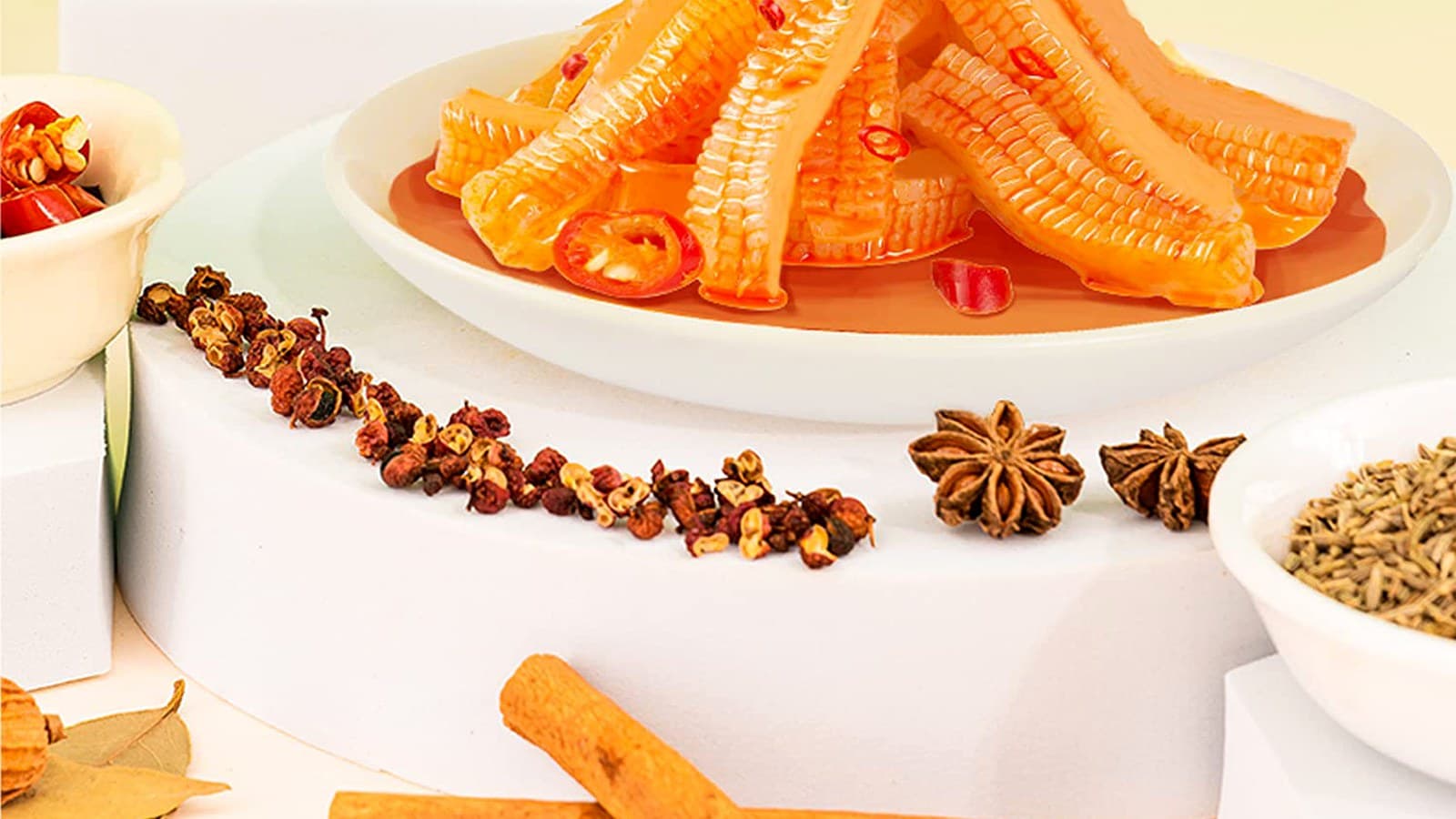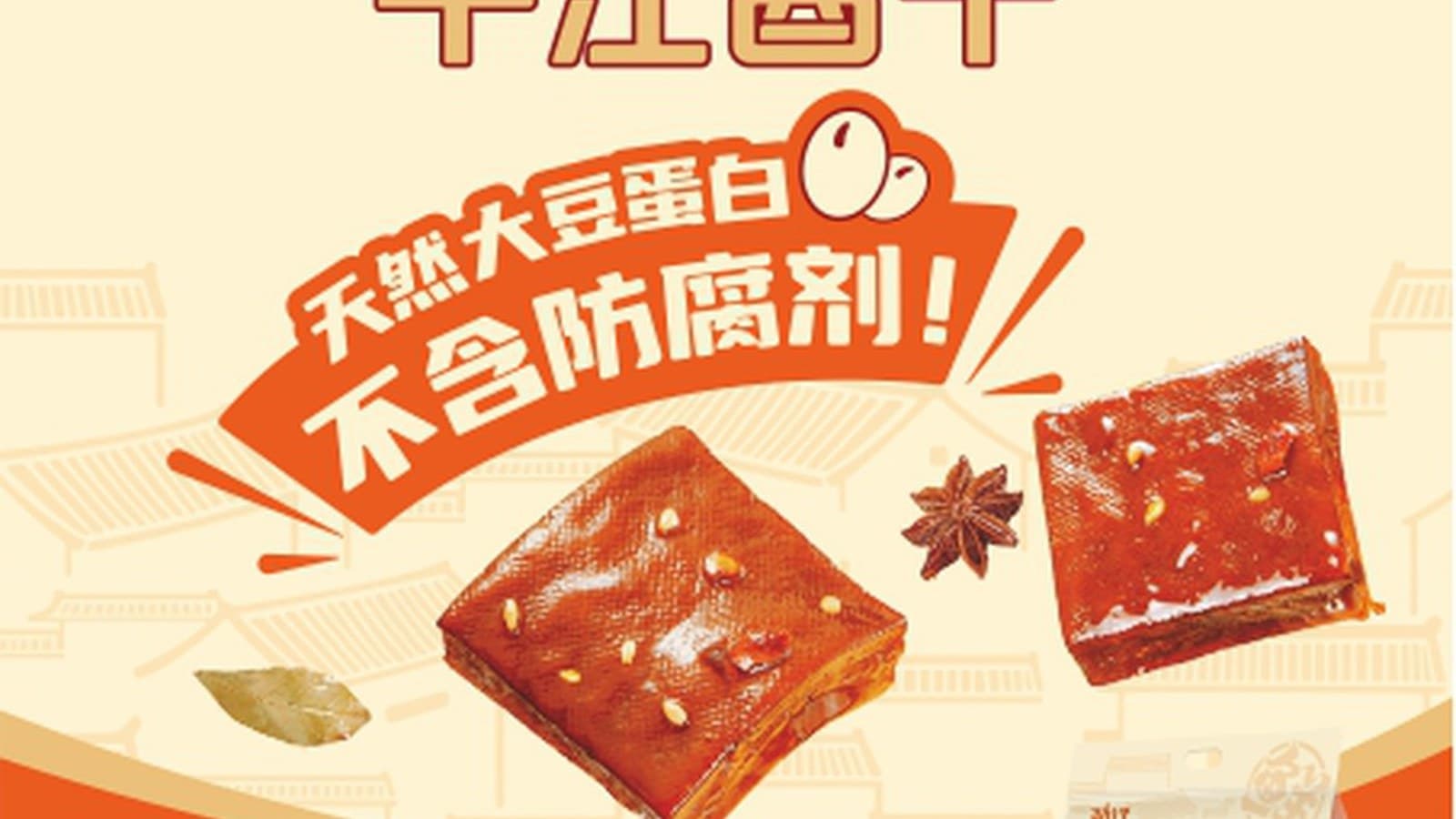

Genji Food is useful because it reminds you that not every spicy strip snack is trying to be a textbook wheat-based latiao. Some listings lean much more toward soy sheets, bean curd snacks, or flavored strip-style tofu products. That makes Genji valuable as a comparison brand, especially if you already read What Is Latiao? and want to understand where the category edge begins.
Quick Verdict
Genji is not the cleanest first benchmark for the whole category. It is a better second-step brand for shoppers who want to compare soy-forward chew, lighter pack sizes, and more ingredient-list dependence against mainstream brands such as Weilong.
Genji Is a Soy Factory First, a Spicy-Strip Brand Second
Genji Food's primary business is bean-curd-skin (豆腐皮 / 千张) and soy-based vegetarian protein products — it's a soy specialist factory, not a latiao company that happens to also sell soy. This is the structural opposite of Weilong, Mala Prince, and BiBiZan, which were all built around wheat gluten from day one.
Genji's "Traditional Large Spicy Chips" exists because a soy-sheet machine running 24/7 needs more SKU variants — not because the founders set out to make latiao. The factory's main lines produce tofu skin sheets at industrial scale; the spicy version is a productivity-utilization SKU that uses the same primary equipment with a downstream chili-coating step.
Two important consequences for the buyer:
- The base material is fundamentally different. Wheat-gluten latiao is protein scaffolding made by hydrating and stretching wheat gluten; bean-curd-skin spicy snack is the protein film that forms on top of cooked soy milk, lifted off and dried. They look similar in a marketplace photo but are different food categories.
- The category-edge debate is real. Pingjiang-school workshops would say "this isn't latiao." Cross-border retailers tag it as spicy strip. Both have a point. Treat Genji as a deliberate category comparison, not as a wheat-gluten benchmark.
Cross-section: Weilong wheat gluten vs Genji tofu skin
Side-by-side cross-section: Weilong wheat gluten vs Genji tofu skin. This visual only appears in the Genji review — same shelf, two different food categories.
Weilong (wheat gluten)
- Protein: wheat gluten
- Chew: elastic, springy
- Allergen: contains wheat / gluten
Genji (tofu skin)
- Protein: soy (whole bean)
- Chew: sheet-papery, crisp-then-melt
- Allergen: contains soy; wheat-free substrate
Tasting Notes (Soy-Sheet Crunch, based on category research)
Based on category research and Genji's bean-curd-skin product line characteristics:
- First crunch: somewhere between "crispy soy sheet" and "jerky-like dried tofu" — the bite has some resistance but breaks cleanly rather than stretching
- Oil distribution: chili oil is surface-applied, not soaked. The bean-curd-skin's natural surface is less absorbent than wheat gluten, so the oil sits on top rather than penetrating. This makes Genji feel less greasy on the fingers.
- Aroma: cleaner, more bean-forward, less of the "night-market chili oil heady" note that defines BiBiZan or Mala Prince
- Heat estimation: ~800–1,500 SHU — milder than wheat-based latiao because the surface-only chili-oil application limits accumulation
- Use case: surprisingly good with light beer or sparkling water because the dry-snack feel doesn't fight carbonation; less suited to "I want chili-bomb satisfaction" moments
Wheat-Allergy and Vegetarian Buying Path: Where Genji Wins
Two specific buyer profiles where Genji is genuinely the right answer (and Weilong / Mala Prince are not):
- Wheat allergies / gluten sensitivity: Genji's base is soy bean-curd skin, not wheat-derived. Always verify the specific SKU's ingredient list (some Genji variants do add wheat-based seasonings), but the structural material does not contain wheat protein.
- Strict vegetarians who want surface-clarity protein content: The "high protein" claim on Genji packaging is real because bean-curd skin is essentially concentrated soy protein. Per 100g, Genji's tofu skin lines run 30g+ protein vs Weilong's ~17g.
For these buyers, Genji isn't a category-edge curiosity — it's the answer. For everyone else, it's a deliberate comparison purchase, not a baseline.
Three Useful Buying Paths
GENJI FOOD
Traditional Large Spicy Chips 200g
Smallest useful entry point for judging Genji's soy-route texture without committing to a larger bag.
Live Yumsbox product page: recheck current price.
Visible signal: direct Yumsbox product page for Genji Food spicy strips.
External shopping link · may use affiliate tracking
Use this as the current Genji product check before buying larger quantities.
GENJI FOOD
Soy-Route Product Comparison
Best route for comparing soy-sheet texture with mainstream wheat-strip products.
Live product page: recheck weight and seller.
Use package photos and ingredient wording as the live signal.
External shopping link · may use affiliate tracking
Prefer listings that clearly show whether the snack is soy sheet, tofu skin, or a strip-style bean curd snack.
GENJI FOOD
Bean-Curd Snack Product Check
Repeat-buyer format only after one small-bag test makes sense to you.
Live product page: compare pack count before checkout.
Use recent reviews and visible pack math as the live signal.
External shopping link · may use affiliate tracking
Product wording can mix bean-curd formats with strip-style snacks, so keep the category line clear.
Who Should Buy Genji
Buy Genji if you want:
- a soy-route comparison against wheat-based brands
- a smaller first pack before buying larger snack bags
- practice reading ingredient and category cues more carefully
Who Should Skip Genji
Skip it as your only first buy if you want:
- the most recognizable mainstream latiao baseline
- one benchmark you can compare across many marketplaces
- a guaranteed wheat-gluten chew profile
Buying Risk
The main risk is not the heat level. It is category confusion. A weak listing may use terms like latiao, tofu skin, soybean sheets, or vegetarian snack interchangeably. That is exactly why Genji belongs in a comparison-first cart, not a blind first order.
How Genji Compares to Other Soy-Route Products on This Site
Three other soy-adjacent products are reviewed alongside Genji:
- ZHUZHIYUAN uses TVP extrusion for a meat-like chew — Genji is flakier and more snack-like, less structural.
- YANJINPUZI offers a polished retail tofu-skin experience — Genji is closer to traditional street-stall presentation.
- BESTORE's gluten slices use wheat but feel similarly approachable — Genji's soy identity is clearer on the ingredient label.
If your goal is to explore the full soy-route spectrum, buy Genji alongside ZHUZHIYUAN (when available) and YANJINPUZI in the same session. The three products show three different answers to the same question: what happens when soy protein meets chili oil and marketplace expectations.
Storage and Freshness: Why Soy Sheets Age Differently
Genji's soy sheets are more sensitive to humidity than wheat-gluten latiao. Once opened, exposure to air can cause the sheets to lose their crispness within 5–7 days. Reseal the pack tightly after opening and consider transferring to an airtight container if you plan to snack over more than a week. A silica gel packet inside the storage container helps maintain the original crunch.
Final Take
Genji is a helpful boundary marker. It shows how quickly the shelf can move from classic latiao into soy-sheet and bean-curd snack territory. If your goal is comparison, it is worth reading. If your goal is one safe benchmark first buy, Weilong is still easier.