Packaging is not just a wrapper. For oily, seasoned snacks such as latiao, packaging is a six-month freshness contract between factory and consumer — and the engineering decides whether that contract holds across cross-border shipping. This page focuses on the multi-layer film engineering, oxygen-transmission rates, and cross-border shelf-life math that consumer-facing freshness pages don't cover.
Multi-Layer Film Anatomy
A modern latiao pouch is never a single layer. Industry-typical wheat-latiao packaging uses one of two laminated structures:
Three-layer (basic, low-cost variants):
| Layer | Material | Thickness (μm) | Function |
|---|---|---|---|
| Outer | PET (polyester) | ~12 | Print surface, scratch resistance |
| Middle | Aluminum foil (AL) | ~7 | Oxygen + light barrier |
| Inner | PE (polyethylene) | ~50 | Heat-seal layer + food contact |
Four-layer (premium / cross-border ready):
| Layer | Material | Thickness (μm) | Function |
|---|---|---|---|
| Outer | PET | ~12 | Print + structural |
| Layer 2 | VMPET (metallized PET) | ~12 | Oxygen barrier + reflective gloss |
| Layer 3 | Nylon (NY) | ~15 | Puncture resistance |
| Inner | PE | ~50–80 | Heat-seal + food contact |
The thicker the structure, the better the OTR (Oxygen Transmission Rate) and WVTR (Water Vapor Transmission Rate) numbers. These two values are what actually decide shelf life.
Pillow-pack cross-section · 4 laminate layers
4-layer pouch laminate visualized. This component only appears in the packaging article — laminate stack-up is its specific job.
- 01Outer PET (12μm)Print + scuff resistance
- 02Aluminum foil (7–9μm)Oxygen + light barrier
- 03Adhesive laminationBond integrity at 60°C ambient
- 04Inner PE/CPP (40–60μm)Heat-seal + oil contact
OTR target ≤ 5 cc/m²/day · WVTR ≤ 5 g/m²/day · POV ceiling per GB 19295-2021
OTR & WVTR Standards
Oxygen and water vapor are the two enemies of oily latiao freshness. Industry-typical transmission rates:
| Pouch type | OTR (cc/m²·24h, 23°C) | WVTR (g/m²·24h, 38°C) | Typical claimed shelf life |
|---|---|---|---|
| Plain PE bag | 800–1,500 | 8–15 | ~30 days (poor) |
| PET / PE laminate | 100–300 | 4–10 | 60–90 days |
| PET / AL / PE (3-layer) | less than 5 | less than 1 | 6 months |
| PET / VMPET / NY / PE (4-layer) | less than 1 | less than 0.5 | 9–12 months |
Industry-typical aluminum-laminated pouches reach OTR under 5 cc/m²·24h, versus 800–1,500 cc/m²·24h for plain PE — a 100x difference that explains 6-month shelf-life claims. ASTM D3985 is the standard test method for OTR; GB/T 1037-1988 is the equivalent Chinese standard.
When a brand's marketing claims "6-month shelf life", they're implicitly committing to ≤5 OTR pouching — which means a 3-layer aluminum laminate or better. If you see a product claiming 6+ months in obviously plain plastic packaging, the claim is unreliable.
Nitrogen Flush Workflow
Premium latiao production lines fill the pouch with food-grade nitrogen before final heat-seal, displacing residual oxygen. Industry-typical residual oxygen target: less than 2% inside the sealed pouch.
The benefits:
- Slows lipid oxidation (the main reason chili oil tastes "stale")
- Reduces capsanthin degradation (chili red color fading)
- Extends practical aroma life from ~3 months to ~6+ months
The cost: nitrogen-flush adds ~3–5% to packaging cost per pouch, which is why low-priced multipacks rarely use it. If you've opened a bag and felt the puff of "nothing" instead of fresh chili-oil aroma, the package was almost certainly not nitrogen-flushed.
Cross-Border Shipping Fresh Window
Cross-border shipping creates a problem that domestic Chinese sales don't: 30–45 days of variable-temperature transit. Container ships travel from Chinese ports to US/EU at temperatures that fluctuate 25–30°C in summer, 5–15°C in winter. Lipid oxidation roughly doubles for every 10°C increase in storage temperature.
Practical implications:
- Summer ocean shipment: a 6-month shelf life specification can effectively become 4-month real freshness if the container experienced sustained 30°C+ exposure
- Air freight (1–3 days): minimal freshness impact but doubles shipping cost
- Cold-chain (refrigerated container): best for freshness, used for premium SKUs only
GB 19295-2021 (frozen rice/wheat foods + adapted seasoning food) sets the peroxide value (POV) ceiling at 0.25 g/100g for oil-rich snacks. A bag exceeding this value is technically out-of-spec; in practice, the buyer detects it as the "stale oil" / "tired" taste.
For cross-border buyers, the actionable takeaway is: prefer brands and sellers who specify air-freight or recent-arrival inventory, especially in summer months.
What Buyers Should Check
Look for:
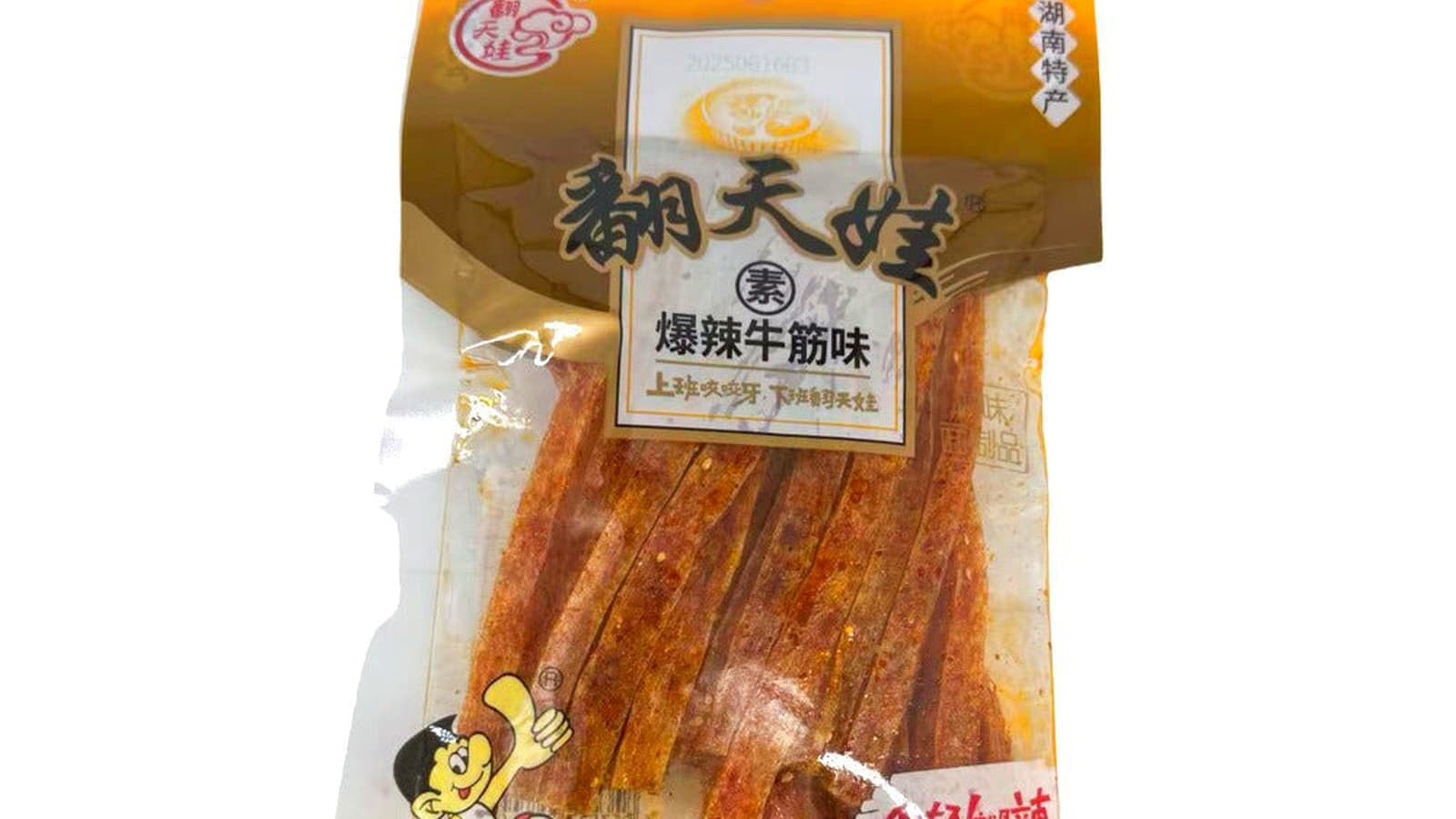
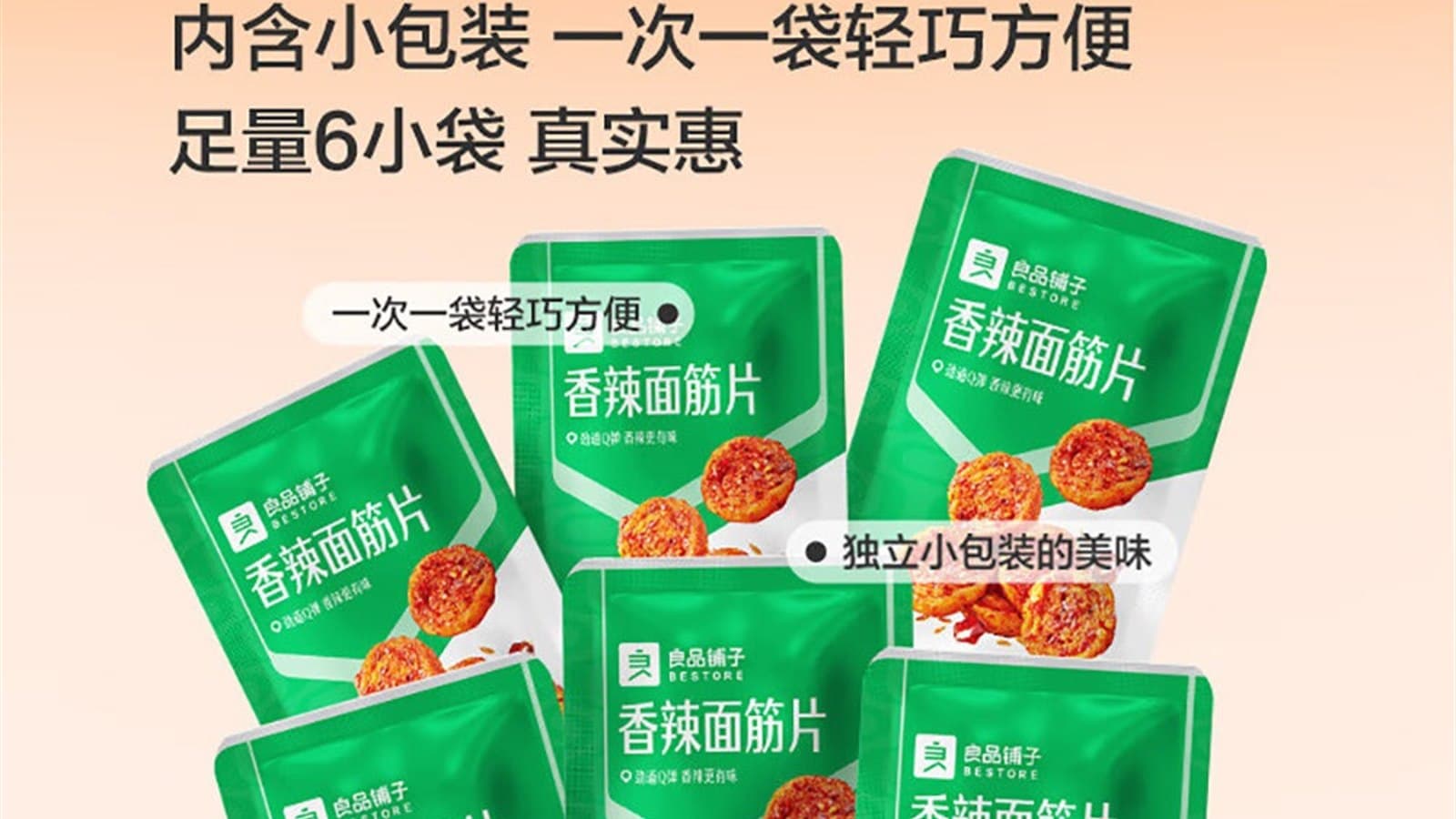
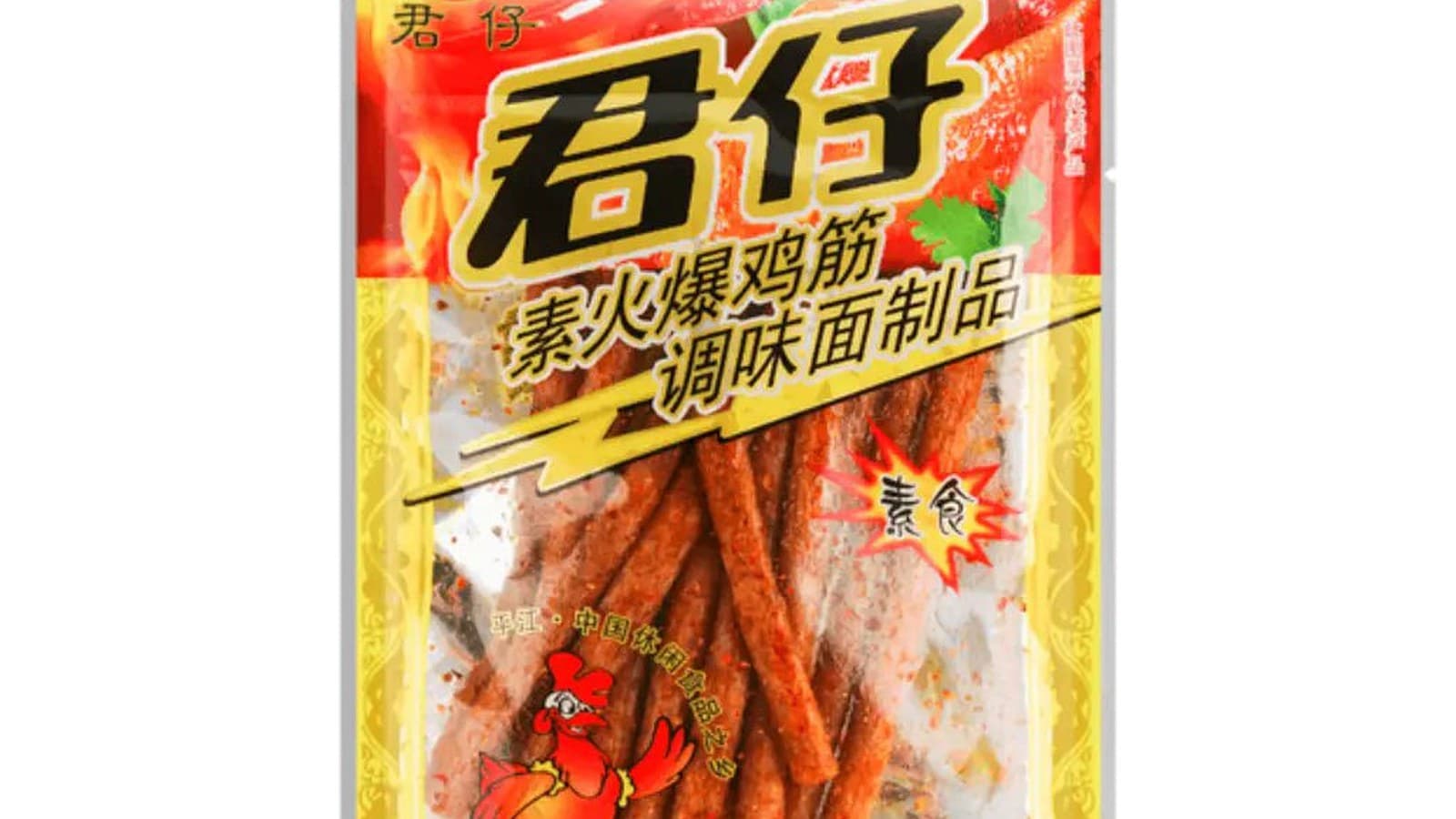
- Clear package photos showing the pouch structure and seal integrity
- Visible production date on the back panel (YYYYMMDD or YYMMDD format)
- Seller turnover hints in recent reviews (older reviews mentioning "fresh" / new reviews mentioning "stale" = warning)
- Pouch claims stating "充氮包装" (nitrogen-flushed) or aluminum-laminated structure
- Storage handling notes on the seller page (cool / dry / shelf-stable specifications)
Final Take
Packaging is engineering, not marketing. The three-letter abbreviations (OTR, WVTR, POV) decide whether a 6-month claim holds in your hand or whether the snack tastes flat by month four. When a product feels "off" despite a recognizable brand, the most likely explanation is packaging-related freshness loss — not a recipe failure.
FAQ
How can I tell if a bag has lost freshness without opening it?
Three visual cues: (1) check for oil stain bleed-through at the seam — fresh packaging shouldn't show oil seepage; (2) press the bag — fresh nitrogen-flushed bags resist compression while stale bags collapse easily; (3) hold up to light — yellow-tinged residue on the inner film indicates oil oxidation. None of these are foolproof but they shift the probability significantly.
Why do some imported latiao bags feel "deflated" by the time they arrive?
Long-haul shipping involves pressure changes (especially air freight) that can stress thinner packaging. Industrial-tier bags (40–60μm laminate with proper aluminum barrier) tolerate this; thinner workshop-grade bags (20–25μm single-layer) often deflate. If you receive a deflated bag from a brand known to use industrial packaging (Weilong, Mala Prince), it's a stronger signal of repackaging or grey-market sourcing than of packaging failure.
Is "vacuum-sealed" the same as "nitrogen-flushed" for latiao?
No, and the difference matters. Vacuum-sealing removes air entirely — fine for jerky-type snacks but bad for latiao because it crushes the strip texture and concentrates oil contact with the film. Nitrogen-flush replaces air with inert nitrogen, preserving texture while eliminating oxygen for oxidation prevention. Latiao should always be nitrogen-flushed; vacuum packaging is a sign of low-tier production.
Source Notes
- GB 19295-2021 速冻面米与调制食品 (oil-rich packaged-food peroxide ceiling) — referenced for the POV ceiling that drives nitrogen-flush adoption
- GB/T 1037-1988 塑料薄膜水蒸气透过率测定 (WVTR test) — Chinese standard underlying the WVTR ≤ 5 g/m²/day target cited above
- ASTM D3985 standard test method for OTR through plastic film — international counterpart for OTR ≤ 5 cc/m²/day
- Packaging Technology and Science (Wiley) — published shelf-life vs OTR studies that anchor the 4 / 30 / 60-day decay zones
- Soontrue Machinery (Foshan) packaging line catalog — primary nitrogen-flush pillow-pack line vendor referenced for Chinese latiao factories