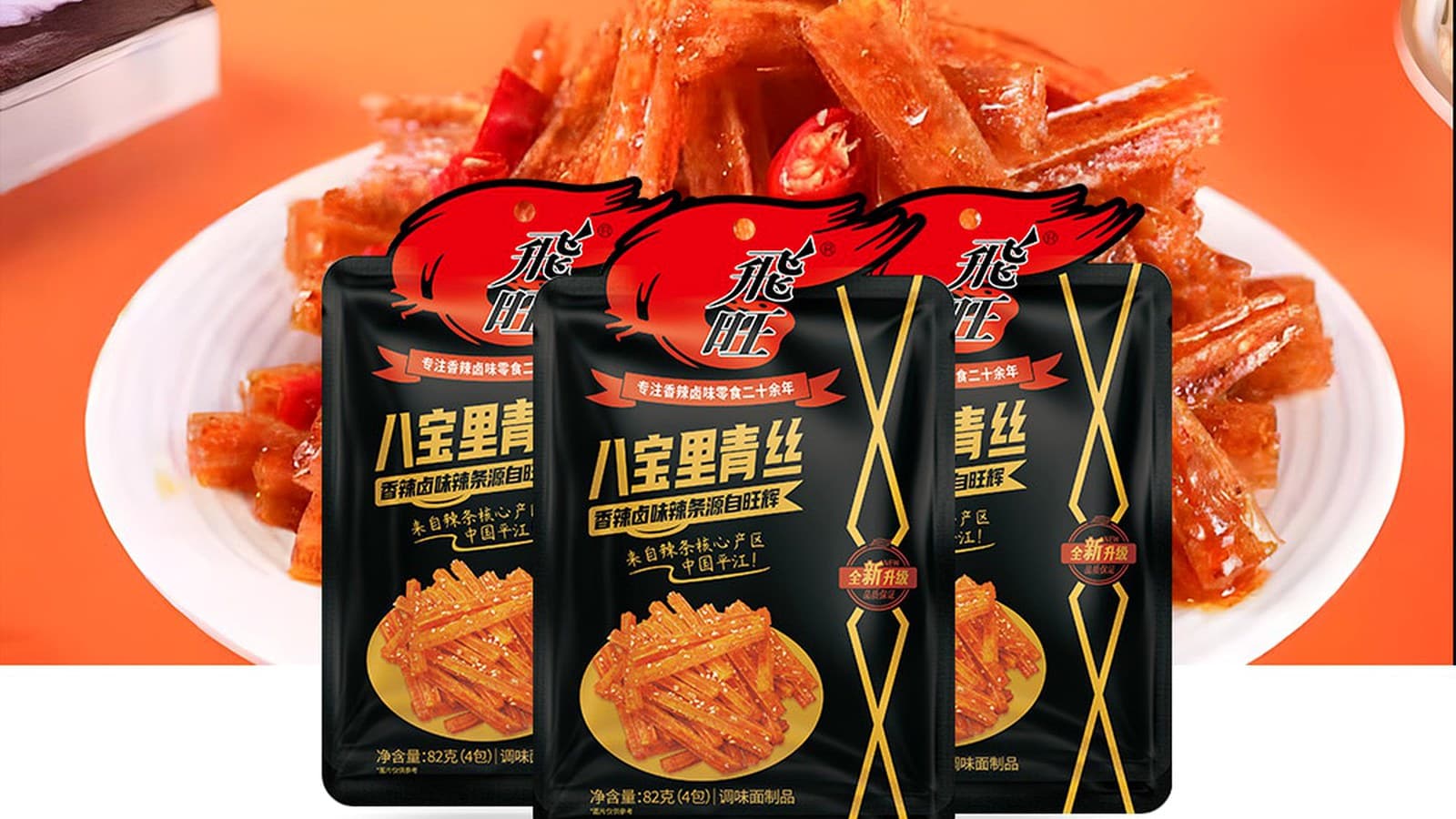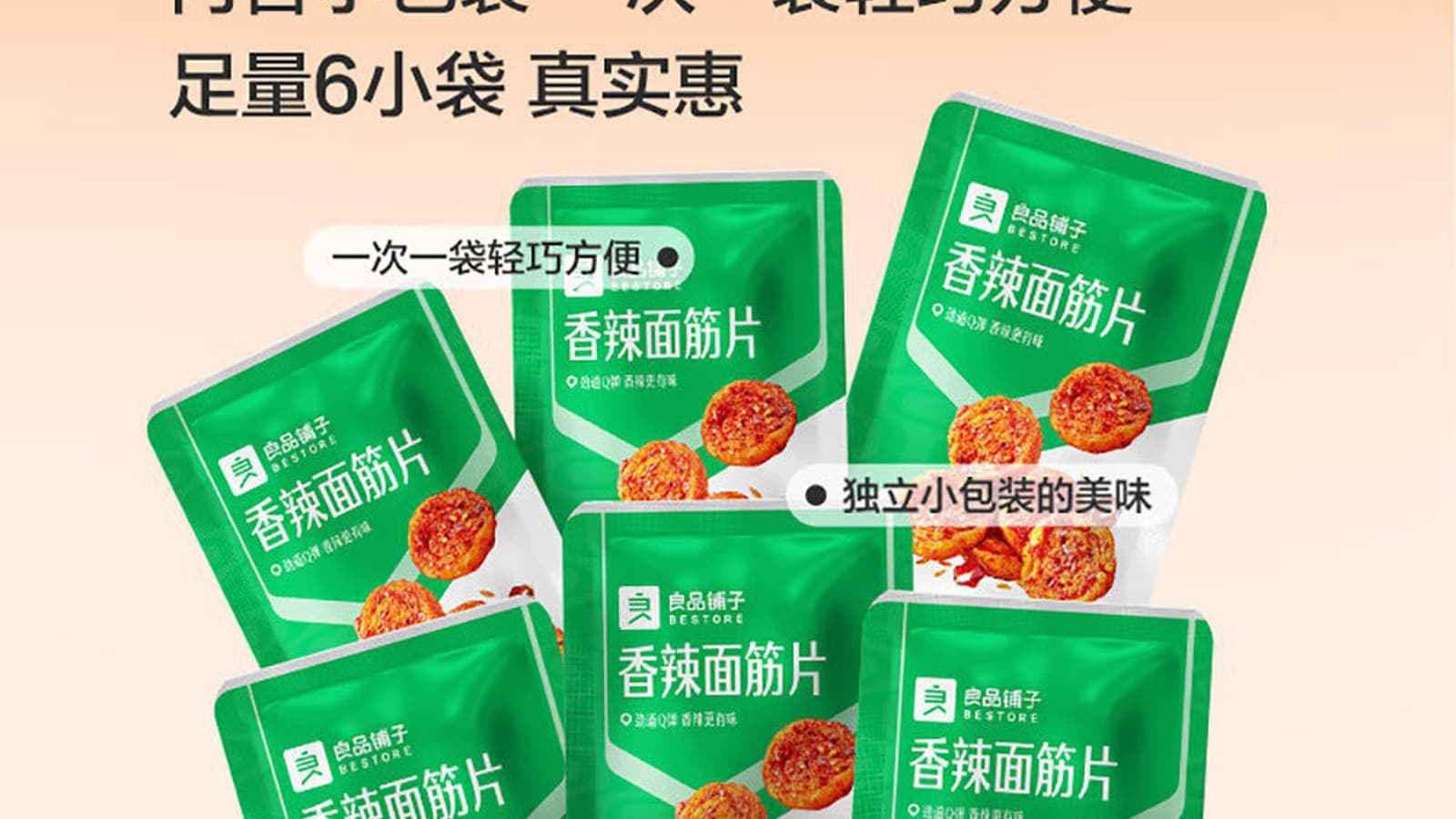
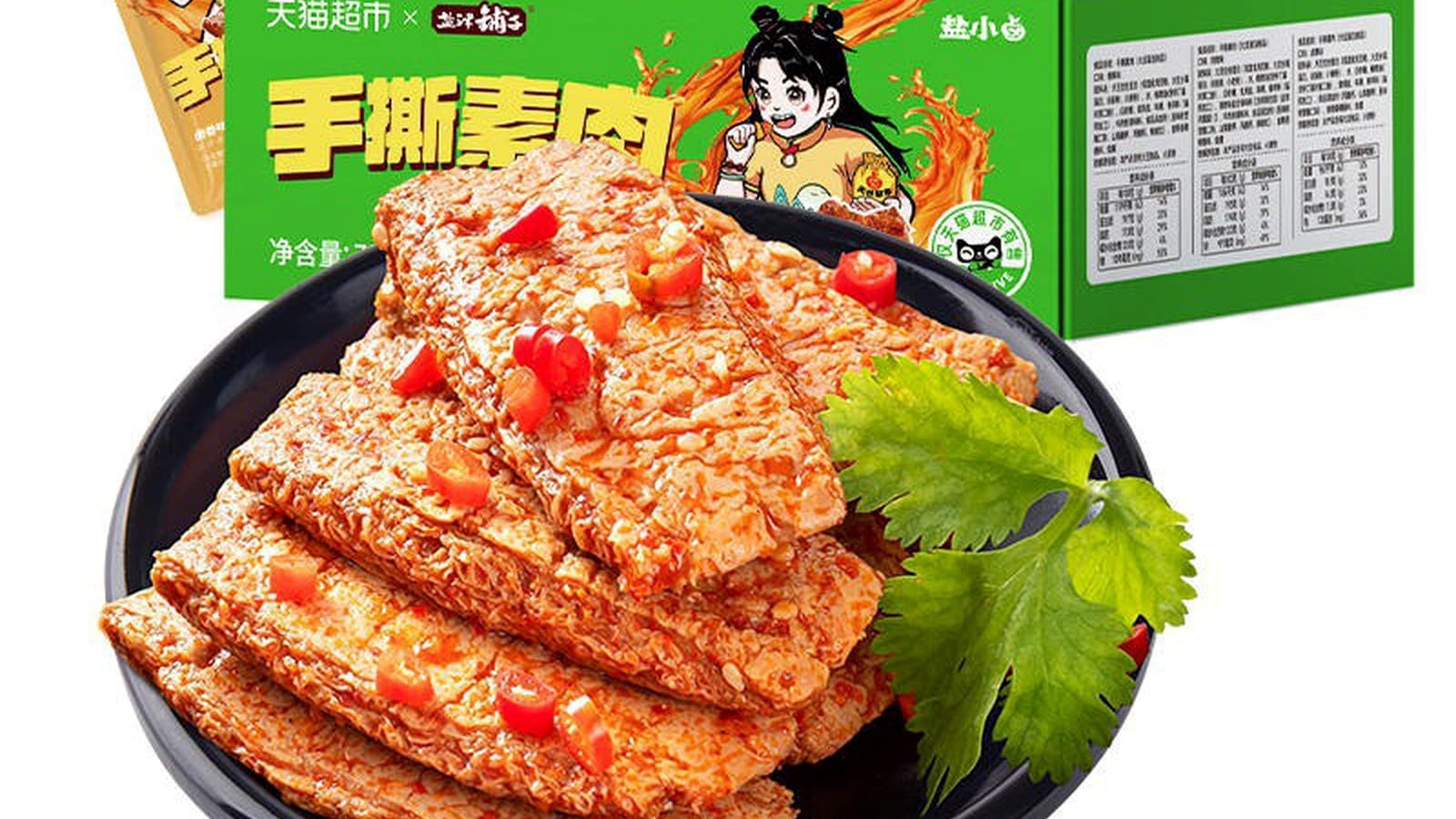
The wrong pack format can make a good snack feel like a bad purchase. A single pack is often the cleanest first test. A variety pack can be useful if the brands are clear. A giant mixed bundle can create confusion before you even know what a normal benchmark bag tastes like.
The goal is to match the format to your confidence level, not just to chase more pieces for the money.
The Break-Even Math: 18g vs 65g vs 200g
Same brand (Weilong), same recipe, three pack sizes — different per-gram economics:
| Pack | Price | Per-100g cost | Best for |
|---|---|---|---|
| Yumsbox 18g single (e.g., Weilong / Mala Prince) | ~$0.95 | $5.30 | First-time buyer, taste test |
Yumsbox 65g single (weilong-latiao-spicy-strips-65g1-bag) | ~$2.49 | $3.83 | Confirmed-taste single sitting |
| Amazon 106g × 3 (B082XC2ZQM) | ~$11.99 | $3.77 | Pantry stocking |
| Yumsbox 200g (Genji Food large pack) | ~$5.99 | $3.00 | Bulk-eating habit |
Break-even threshold:
- Eating ≥150g per month → 200g+ bulk wins
- Eating 60–150g per month → 65g single is the sweet spot
- Eating under 60g per month → 18g single is the right call (avoids stale-bag waste)
The bulk savings look big (40%+ per gram), but only materialize if you actually finish the bag in industry-typical 14–21 day post-opening freshness window. A 200g bag eaten over 60 days costs more per "fresh-tasting bite" than a 65g bag finished in 7 days, even though the per-gram price is lower.
Same-Brand Variety vs Multi-Brand Variety
"Variety pack" means two different things on marketplace listings:
- Same-brand variety (e.g., Fan Tian Wa
tongxin-bang-2pcs-136g): two pieces, one brand, two flavors. Useful for flavor exploration within a brand's house style, not for cross-brand comparison. - Multi-brand variety (rare in cross-border listings): 3+ different
brandId. The actual category exploration. If a listing claims "5 flavors" but all 5 are same-brand variants, that's not real variety.
Pre-checkout sanity check: list the brandId of each piece in the variety pack. If only one brandId appears, it's same-brand variation, not category variety. Both are valid purchases, but for different goals.
For first-time buyers: multi-brand 3-pack beats same-brand 5-pack on learning value. For confirmed fans: same-brand variety is fine because you already understand the house style.
Consumption pace → pack size match
Match honest consumption pace to pack size. This component only appears in the single-vs-variety guide — break-even math is its specific job.
≥ 3 sessions / week
Bulk 360g–500g (BiBiZan)
Per-100g cost wins; you'll finish before oil oxidation.
1–2 sessions / week
Mid-pack 100g–200g (Weilong 106g, Genji 200g)
Sweet spot for finish-within-window pacing.
< 2 sessions / month
18g–65g singles (Mala 18g, Weilong 65g)
Lower regret cost; opening + storing 200g+ wastes seasoning.
Single Packs: Best for Clarity
Single packs are usually best when:
- you have never tried latiao before
- you are still unsure about the chew
- you want one clean benchmark
- you are comparing one specific review with one specific listing
This is why a product like Weilong often works well as a first order. It gives you one clear answer instead of five messy partial answers.
Variety Packs: Useful Only When They Are Transparent
A variety pack can be useful if it clearly shows:
- which brands are included
- how many packs you get
- the weight of each pack
- whether the photos match the exact bundle
Variety packs are most useful after you already know you want comparison, not before you understand the category.
When Large Mixed Bundles Become a Problem
Large mixed bundles create three common problems:
- freshness is harder to judge
- brand identity gets blurred
- the first impression becomes random instead of educational
That randomness wastes the first order. If one weak pack is stale or overly sweet, you may think you dislike the whole category.
Final Decision Rule
Choose single packs when clarity matters more than efficiency.
Choose variety packs only when the bundle is transparent and you already know you want comparison.
Avoid giant mystery bundles when you are still trying to learn what a good latiao baseline tastes like.
FAQ
A bundle says "5 flavors" but they're all under the same brandId — does that count as variety?
No. Same-brand "flavor variety" is intra-brand seasoning variation, not category exposure. It tells you whether you like Weilong's BBQ vs Mala flavors but doesn't teach you wheat-gluten vs tofu-skin vs grilled gluten differences. For real category variety, the bundle needs ≥3 different brandIds. The 5-flavor same-brand bundle is fine for a confirmed fan; for a new buyer, it's a missed opportunity.
Can I freeze portions from a large open bag?
Don't. Latiao's chili oil + wheat gluten don't survive freeze-thaw well: oil crystallizes and separates; gluten goes brittle on thaw. The texture downgrade is permanent. If a 360g bag won't be finished in 21 days, decant into 4–5 zip-locks (purge air, label dates) and store at room temperature in a cool dry place. Use a glass jar with silicone gasket for the freshest sub-portion. Refrigeration only for unopened multipacks stored 2+ months.
Singles + paid shipping vs bulk free-shipping — which actually saves money?
Math the per-100g cost AFTER shipping. Example: Weilong 65g single $2.49 + $5.99 shipping = $8.48 total → $13.05/100g. BiBiZan 360g $8.49 + $0 shipping (hits Yumsbox $59 with one add-on) = ~$8.49 total → $2.36/100g. Bulk wins only if you finish before 21-day flavor decay. For a once-a-month snacker, the singles route is actually cheaper because half a 360g bag goes stale before consumption.